US Envoy Barrack Backs Damascus in Suwayda Dispute
Special envoy Tom Barrack indicated Washington favors Syrian government control over the southern governorate, a move that contrasts with Israeli support for local Druze leaders.
By Ava Richardson ·
One major power in the region has taken a clear stance in the ongoing standoff over Syria's southern province of Suwayda. United States special envoy Tom Barrack recently stated that Washington favors the Syrian government's control over the area. This position places the US in direct contrast with Israel, which has backed a local Druze armed group.
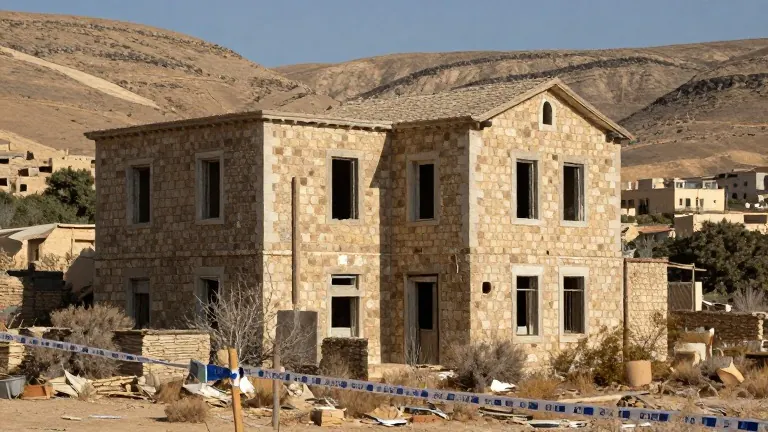
Suwayda is a majority Druze governorate and one of the last areas in Syria where the central government does not hold full authority. Barrack referred to a specific Druze sheikh, identified as Hikmat al-Hijri, during a conversation with Australian influencer Mario Nawfal on Friday. Al-Hijri leads the National Guard, a Druze armed group that officials have accused of receiving Israeli support. The envoy's comments were widely interpreted as a signal that American backing for al-Hijri does not equal American support for the faction itself.
Navvar Saban, a researcher at the Arab Center for Contemporary Syrian Studies, noted the clarity of the message. “Israel backing [al-Hijri] does not equal American backing,” Saban said. “Washington has prioritised an agreement with Damascus while Israel retains its own security demands and relationship.”
The divergence stems from differing views on the new Syrian government led by President Ahmed al-Sharaa. President Donald Trump has built a strong relationship with al-Sharaa, viewing stability as essential for Syria's reconstruction after thirteen years of war. In contrast, Israeli Prime Minister Benjamin Netanyahu has maintained a more confrontational posture. Since the fall of Bashar al-Assad's regime in December 2024, Israeli forces have seized land in Quneitra governorate, bombed the Ministry of Defence, and conducted repeated incursions into southern Syria.
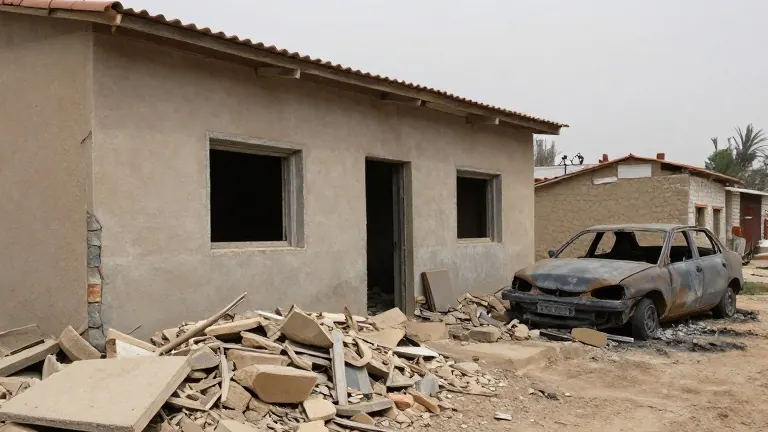
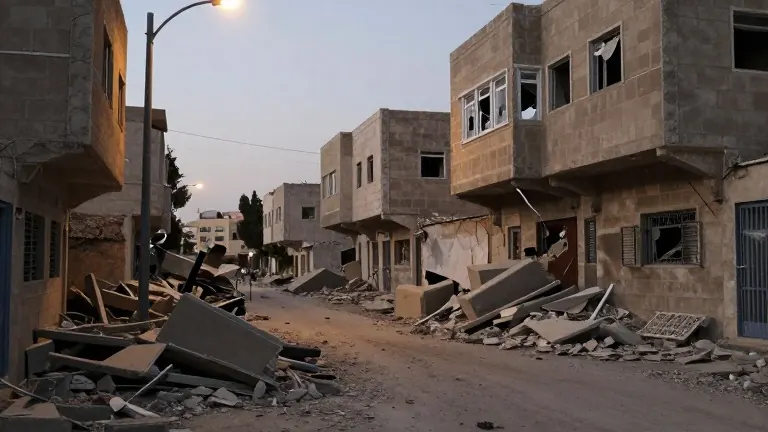
Tensions in Suwayda escalated in July 2025 when fighting between Bedouin tribes and Druze residents turned into deadly sectarian killings. Casualties were overwhelmingly Druze, and Israel intervened by attacking what it described as Syrian government forces entering the province. Since that conflict, Israel has sought to build rapport with local leaders, including al-Hijri, who remains a vocal opponent of Damascus's new leadership.
Nanar Hawach, a Syrian analyst who visited the province in September, described the strategic implications of the US position. “Washington is building a partner in Damascus while Israel appears to prefer a Damascus that is too weak to assert itself in the south,” Hawach said. He added that Israel uses Suwayda as a lever, providing enough support to keep the province reliant on its protection but not enough to secure its long-term future.
A trilateral agreement signed in Amman in September 2025 called for an independent international commission to investigate the July 2025 violence. While major fighting has paused, the region remains in a deadlock. Residents report that distrust has hardened because Damascus has pressured local leadership, affecting salaries and examinations. Analysts emphasize that credible accountability for the 2025 events is necessary to rebuild trust between the capital and the south.
Source: Al Jazeera